A great Queensland camping experiences campsite does 2 things the moment you arrive. It slows your breathing, and it makes you listen. At Selah Valley Estate in Queensland, both take place before you finish unbuckling your seat belt. The creek does the majority of the talking, low and unhurried, with whipbirds sewing calls through the gum trees. You'll smell Queensland camping the paperbark even if you do not understand its name. If you're here for a basic break, or to check a new setup over a vacation, this pocket of nation provides the kind of quiet that sticks to you for weeks.
I've camped throughout Queensland enough time to understand the distinction in between a location that photographs well and a place that lives well. Selah Valley Estate Camping belongs to the latter. The details matter: the spacing between sites, the line of shade at 3 pm, how the creek holds its shape after rain, and what you hear at dawn besides the magpies. This guide gathers those little facts and folds in the essentials so you can roll in all set and roll out happy.
Where it is and why it works
Selah Valley Estate sits in that sweet area outside the churn of the coast, close enough to reach on a Friday afternoon from Brisbane or the Sunshine Coast, far enough that stars still matter. Believe hinterland folds, open paddocks, timbered creek flats, and a driveway that relieves you off sealed road and into weekend rate. Most first-timers show up with a mix of relief and curiosity. Relief, due to the fact that the last stretch is simple, with clear signage and a sensible track even after showers. Interest, due to the fact that the creek draws you in before you have actually picked a site.

Geography is destiny for a camping site. The estate's creek line is broad and flexible, with sandy sections that fit families and much deeper bends under sheoaks that hold for a fast dip. You get the rhythm of rural Australia here: early morning light on high gums, dragonflies hovering like punctuation, and the background track of livestock on neighboring paddocks. It is a working landscape, which indicates you may hear a quad bike in the distance from time to time. The trade for that truth is real space and air that smells like tea trees after rain.
The character of the creek
Creekside outdoor camping can be love or annoyance depending upon the water. Selah Valley's creek is the right size for play and stillness. After a dry spell, kids invest hours damming trickles with smooth pebbles. After late-summer rain, the circulation picks up and hums. I've enjoyed a wallaby sip on the far bank in the beginning light, unbothered by our quiet kettle. Dragonflies drift along like little helicopters inspecting the campsite, and if you sit long enough you'll see how the light slides through the paperbarks and turns the water bronze.
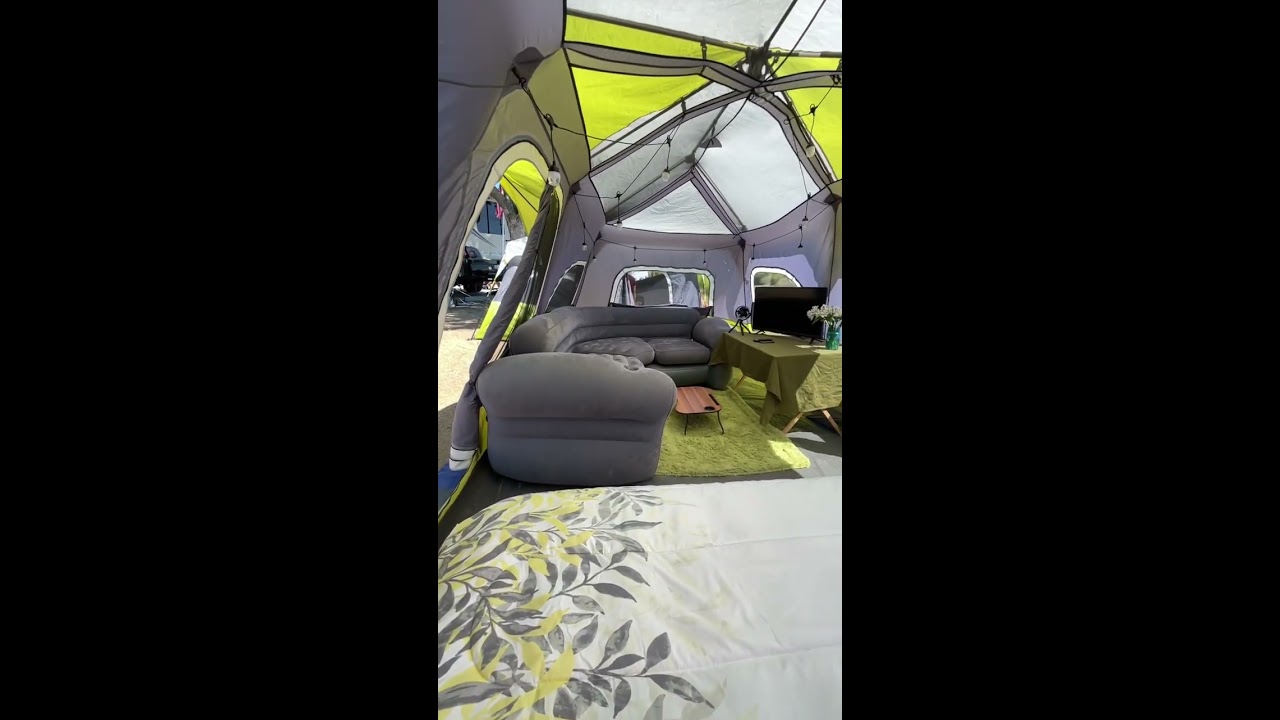
Bring shoes you don't mind getting wet. The creek bed shifts in between sand, silt, and the odd immersed root that surprises bare feet. A lightweight camp chair that can sit partly in the water becomes prime real estate from 2 pm onward. The most dependable swimming hole is generally downstream of the primary bend near the bigger gums, but conditions alter across the year, so a sluggish reconnaissance walk on arrival pays off.
Choosing your website like you've done this before
Every creekside area looks ideal in between 10 am and midday. The truth shows up at 3 pm when the sun angles west, when a breeze decides if smoke will wander into your tent, and at dawn when the birds choose a stage.

Here's how I select a website at Selah Valley Estate:
- Check the shade line. View where the gum shadows land by mid-afternoon. A great site provides you early morning sun to dry dew and late-day shade for the camp kitchen. Find the high lip. Camp on the natural shelf above the creek's flood line. You'll still hear the water, but you'll avoid low ground that holds cold air and moisture. Map your kitchen to the breeze. Dominating breezes usually tumble along the creek. If you cook with charcoal or a gas stove, location your setup so smoke and steam move far from sleeping gear. Look for subtle windbreaks. Fallen wood, thickets of casuarina, or a minor bank protect you if a southerly squirts through overnight. Scout for ant highways. Marching green ants trace invisible roads. Take one minute to follow a few lines and avoid a campground that comes alive after dark.
That last point sounds picky up until you watch a kid dance due to the fact that sugar ants discovered the Milo tin.
Facilities and the rhythm of a day here
Selah Valley Camping Creekside is established for people who prefer nature initially and facilities second. Anticipate well-spaced, unpowered websites, established fire pits where conditions allow, and clear assistance from hosts who really care where you wind up parking. The vibe gets along and subtle. You'll see families with parlor game, couples reading under tarpaulins, and the odd solo traveler who set their swag where the stars tilt in.
A normal day lands like this. Wake to kookaburras and the creek. Boil water, make coffee strong enough to claim the early morning, then stroll the bend to check for platypus ripples, uncommon however not impossible in the beginning light when the water sits glassy and quiet. By late morning, kids rotate in between digging on the sandbar and launching sticks like explorers on a small voyage. Grownups pretend to read while succumbing to the sweet spectatorship of a place doing what it does. Lunch leans easy: wraps, fruit, perhaps a quick fry-up if you're feeling energetic. Afternoon slides into the water or a nap under the fly. Sunset brings the chorus and the soft job of building a proper coal bed for dinner.
Campsites here are not about a schedule. They're about room to settle into your own.
What to pack that in fact helps
I have actually learned to take a trip lighter, but specific things make their method into the ute each time I head for a creek. At Selah Valley Estate in Queensland, these products punch above their weight.
- A groundsheet with a good hydrostatic score. Lay it under your camping tent, but also roll it out for creekside sitting. It keeps sand from infiltrating whatever, particularly when kids shuttle between water and snacks. A little folding rake. 2 minutes with a rake clears gum nuts and sharp sticks, and your sleeping pad will thank you. Microfibre towels plus one old cotton towel. Microfibre dries much faster, but the cotton feels right after a swim and makes a much better pillow cover. Two lighting choices. A headlamp for hands-free tasks and a warm lantern for the communal location. Warm light keeps the camp relaxed and does not attract pests as aggressively. An appropriate knife and a plastic tub. You'll cut rope, prep veggies, and then drop everything into the tub when night dew falls. Absolutely nothing demoralizes a camp kitchen area much faster than damp tea towels and gritty slicing boards.
If you travel with a 12-volt fridge, a shaded position and a reflective cover decrease draw, especially mid-summer. If you count on ice, freeze water in old cordial bottles. They last longer than bags, and as they melt, you have actually got tidy cold water instead of an esky of diluted mystery.
Cooking with the creek in earshot
Cooking outdoors rewards perseverance and prep. I run a double technique here: gas range for morning speed, coals for evening complete satisfaction. If the residential or commercial property has a fire ban or damp wood, adjust. A heavy-gauge frypan over a single butane range will still produce a meal worth remembering.
I tend to construct the evening menu around three trustworthy anchors. One is a one-pot chicken, lemon, and olive rig that travels well, brilliant and salty versus the camp air. Another is grilled flatbread stuffed with haloumi, tomato, and herbs, quick enough that kids can stack their own. The 3rd is the humble jaffle, which somehow tastes better next to a creek, even when it's just cheese and last night's mince.
Bring spices decanted into little containers. Cumin, smoked paprika, dried oregano, salt, pepper, and a hot sauce like sriracha or a local chilli delight in will spin basic ingredients in several directions. Shop onions and potatoes in a mesh bag where air can reach them. A small folding trivet safeguards tabletops, and a silicone spatula avoids melted plastic drama.
When you clean up, do it 50 to 70 metres from the creek if possible, and keep it basic. A dab of naturally degradable soap goes a long method. Stress food scraps into the bin rather than feeding fish in the shallows. The creek will thank you by staying clear.
Wildlife encounters worth getting up for
You'll hear the bush before you see it. Fairy-wrens haunt the edges, blue flash and low chatter in the reeds. At dusk, you might capture a microbat skimming for pests. Tawny frogmouths sit like uncomfortable lumps on branches until you discover the beak and the eyes. If you wake early, try to find water boatmen and surface area stress shifting along the quiet pools. I have actually had 2 early mornings where I was nearly specific a platypus surfaced by the far bank. Nearly certain is good enough to keep trying.
Snakes belong here, so step gently in long turf and shine a light after dark. The majority of days you'll see absolutely nothing more than a tail's memory. Brush-tailed possums appear if you leave bread out, so do not. Kangaroos remain to the paddocks unless it's really peaceful. Keep dogs leashed if the residential or commercial property allows them, and respect any no-pet zones. Livestock and wildlife both should have a calm boundary.
Mosquitoes appear to pulse with weather fronts. After a dry week, they're light. After a thunderstorm, they celebrate. A little coil at your feet and repellent on your ankles manages most nights. Use long sleeves in a loose weave, particularly when you're cooking and standing still.
Weather, water levels, and those days that teach you something
Queensland's seasons matter more by feel than by calendar. Summer brings heat and afternoon storms that blow up from absolutely nothing. If a front rolls in, you'll see the gums lean a little and hear the wind rake across the creek. Stake your guy lines before dinner, not after the very first raindrop. I like to set the fly tight, run one pole a touch lower for water runoff, and tuck my boots under the vestibule in a plastic bag. If heavy weather is forecast, camp somewhat farther from the bank. Even with accountable water management upstream, creeks are moody.
Winter is gold here. Cool nights that make the sleeping bag earn its keep, sun that warms the rocks by mid-morning, and stars so sharp you can select satellites sliding past the Southern Cross. Bring a beanie for sunset and dawn, and find out to enjoy a hot water bottle as camp luxury. Spring and autumn trade the edges. Mornings can be crisp, afternoons balmy. Watch for wasps developing under awnings in still weeks and for march flies on brilliant afternoons near the water.
Water clarity changes with current rain. If it runs a little tea-coloured from tannins, do not panic. That's the paperbarks talking. For drinking water, bring your own or run a strong filter. Do not count on creek water for anything but cleaning gear unless you're treating it properly.
Simple rhythms for families
If you're camping with kids, Selah Valley Estate Camping turns hours into stories. Early morning treasure hunts discover gum blossoms, striped pebbles, and tiny freshwater snails that must always go back where they originated from. Set a boundary down the bank and throughout to a neighboring tree, then teach the youngest to call "where are you?" and for the others to answer "here." It becomes a game that doubles as safety.
Afternoons invite rope knots, dam structure, and the everlasting concern of whether tadpoles become fish. They do not, which conversation alone can carry a day. Evening turns quieter. Hand a child the headlamp and inquire to find reflective spider eyes in the grass at ankle height, a spooky technique that ends in laughter when they realize they're taking a look at dew. Read by lantern till yawns win. A camping site that sleeps by 9 pm is a gift you only value after a few rowdy vacation parks.
Leaving no trace without making it a sermon
Good creek camps remain great because individuals care. Here, care looks like little practices that scale up. Pack out all rubbish, consisting of those twist ties and bread tags that sneak under mats. If you carry glass, shop clears in a soft cage so they don't rattle and break. Food scraps belong in your bin, not in the firepit or the water. Fires need to be small, hot, and monitored. Splash with water, stir, then douse again. If your hand feels heat from the ashes, you're not done.
Toileting depends on the residential or commercial property's setup. If composting or portable toilets are provided, use them. If you bring a portable unit, treat it with correct chemicals and dispose at an approved dump point on the drive home. If bush toileting is your only option, keep it a great distance from the creek, dig deep, and pack out paper. Nobody wishes to find yesterday's poor decisions.
Sound takes a trip on a creek. Music during the afternoon at neighborly volume is something. Speakers after dark turn a lovely place into a caravan park argument. Let the creek be the soundtrack and your camp will feel twice as rich.
Planning your stay and reading the calendar
The best time for a creekside camping escape at Selah Valley Estate is shoulder season: March to May and late August to early November. You'll dodge the peak heat while keeping enough warmth in the bank for swimming. School vacations fill rapidly. Long weekends are a magnet. If you're after genuine quiet, book a midweek slot, arrive early afternoon, and spend your first hour doing nothing more than listening. It will set the tone for the entire trip.
Expect check-in windows that appreciate the hosts' schedule and the home's rhythm. If you run late, a fast message assists everyone. On arrival, stay Go here with significant tracks. Spinning wheels in soft spots ruins a day's work with a tractor. Many websites are 2WD-friendly in normal conditions. After heavy rain, lower tyre pressure a touch and keep a steady throttle instead of gunning it through wet spots.
Working with the weather report instead of against it
I keep an easy pre-trip ritual. I examine three projections and average them in my head. If 2 state showers and one states fine, I load for showers. I include an extra tarp, 20 metres of paracord, and a spare set of pegs. I fold a towel where I can reach it during setup due to the fact that absolutely nothing tests patience like attempting to dry your hands on your pants while rigging a guy line. If the forecast tips hot, I add electrolytes, a bigger water reserve, and a shade sail that can drift above the main tarpaulin to produce an air gap.
Queensland heat sneaks up on people who think they're used to it. Shade early matters more than ice later. Set your camp for the sun angle first, aesthetics second. Your afternoon self will thank your early morning self.
Two easy setups that always work
If you wish to keep the campsite straightforward, 2 designs handle nearly whatever at Selah Valley Estate.
- The creek-facing crescent. Park the lorry parallel to the creek, nose pointing somewhat downstream. Pitch the tent or boodle just behind the high bank lip, door facing the water. Set the kitchen area and table upstream where breezes tend to bring smoke away. Lantern hangs from the upstream tree. Firepit sits closer to the lorry for safe spark control and simple access to wood and water. The yard prepare for groups. 2 camping tents deal with each other with a 3 to 4 metre space, cooking area off to the side under a tarp. The car shields from wind on the creek-exposed edge. Kids get the camping tent more detailed to morning sun. Adults claim the shade. Shared space in the center prevents the sprawl that turns camp into a journey hazard.
Both designs keep gear retrieval simple and sightlines clear so you can view the creek without tripping over a guy line.
Small conveniences that alter the feel
There's a difference in between roughing it and living well outdoors. A camp carpet keeps bare feet delighted and dirt out of the sleeping location. A thermos filled out the morning saves gas and time all the time. A retractable pail near the door corrals shoes, which otherwise invite sand, dew, and unintentional visitors into your tent. A little hand broom cleans the flooring in twenty seconds, and that can feel like a reset after kids run through with creek feet. If you read, bring a proper book with pages. Screens flatten a location like this, and you'll capture yourself inspecting signal when you might be counting late swallows in the sky.
At night, switch off every light you do not need. Let your eyes change and feel the air temperature relocation across the bank. The creek runs darker then, and the drifting mist along it is a technique that never bores.
Respect, safety, and that excellent tired feeling
Selah Valley Estate Outdoor camping is run by individuals who want you to come back, which is another way of saying they worth regard. Drive slowly on the home. Wave to other campers and the hosts. If somebody's pet dog wanders over for a pat, ensure the owners enjoy with it. If your music can be heard beyond your website, it's too loud. If your fire tosses sparks beyond the ring, it's too big. These are not rules to grind your equipments, they're the courtesies that keep a location special.
Safety sits in the background if you established well. Keep an emergency treatment kit where you can reach it in the dark. Kids need to discover the pal system near the creek, specifically at dusk when shadows play techniques. Adults must consume water like they imply it. It's exceptional how quickly one mild headache can decipher a charmed afternoon.
When to linger and when to go exploring
You could invest the entire weekend within a couple of hundred metres of your camping tent and feel no absence. That said, the region around Selah Valley Estate in Queensland rewards a brief wander. Country bakeries conceal in small towns within a 20 to 40 minute drive, and I've not yet met a Queensland roadway that does not provide an unexpected view if you provide it half an hour. If you do leave, lock food in the car. Crows find out quickly, and they like an ignored esky cover like it's a puzzle they were born to solve.
Returning to camp mid-afternoon, that primary step back onto your groundsheet has a method of resetting the day. The creek will still be there, talking at its own pace.
Parting, and leaving it better than you discovered it
Breaking camp is an art. Start early enough that you can unhurriedly shake sand from flysheets, wipe down pegs, and stroll a slow circle to collect every cable television tie and bread tag. Scatter ashes just when cold, then rebuild the fire ring nicely or leave it as you found it, depending upon the property's guidance. Rake the ground lightly to raise flattened grass so the next camper gets here to a place that looks loved, not used up.
Driving out, windows split, you'll hear the creek a last time as the trees thin. That noise follows you longer than you believe. It becomes the yardstick by which you measure city noise for the next few weeks. If that's not the point of a creekside camping escape at Selah Valley Estate, I do not understand what is.
Pack a little smarter next time. Bring one less device and one more story. And when the week grows loud once again, keep in mind there's a bend in a Queensland creek where dragonflies patrol the afternoon and a fire waits to be coaxed into that stable bed of coals. That's Selah Valley Estate in Queensland, a peaceful remedy you can drive to, and worth returning to whenever your shoulders forget how to drop.